
Importance of Digital Marketing in 2026
Let’s be real—marketing isn’t what it used to be.
Gone are the days when businesses relied only on billboards, newspaper ads, or TV commercials. In 2026, everything has shifted online. From scrolling Instagram to searching on Google or watching YouTube, people are constantly connected—and that’s exactly where businesses need to be.
Digital marketing is no longer just an option. It’s the foundation of how modern businesses grow, connect, and succeed.
The Digital Shift is Here to Stay
Think about your own daily routine. You probably check your phone first thing in the morning, scroll through social media, maybe shop online, or watch videos.
That’s exactly how today’s customers behave.
In 2026, people spend more time online than ever before. So, if a business doesn’t have a strong online presence, it’s almost like it doesn’t exist.
Simple truth: If your audience is online, your brand needs to be there too.
Reach the Right People, Not Just More People
One of the best things about digital marketing is that it’s not about reaching everyone—it’s about reaching the right people.
Instead of showing ads randomly, businesses can target audiences based on:
Age
Location
Interests
Online behavior
This means your message reaches people who are actually interested in what you offer. No wasted effort, no wasted money—just smarter marketing.
Budget-Friendly with Better Results
Not every business has a huge marketing budget—and that’s okay.
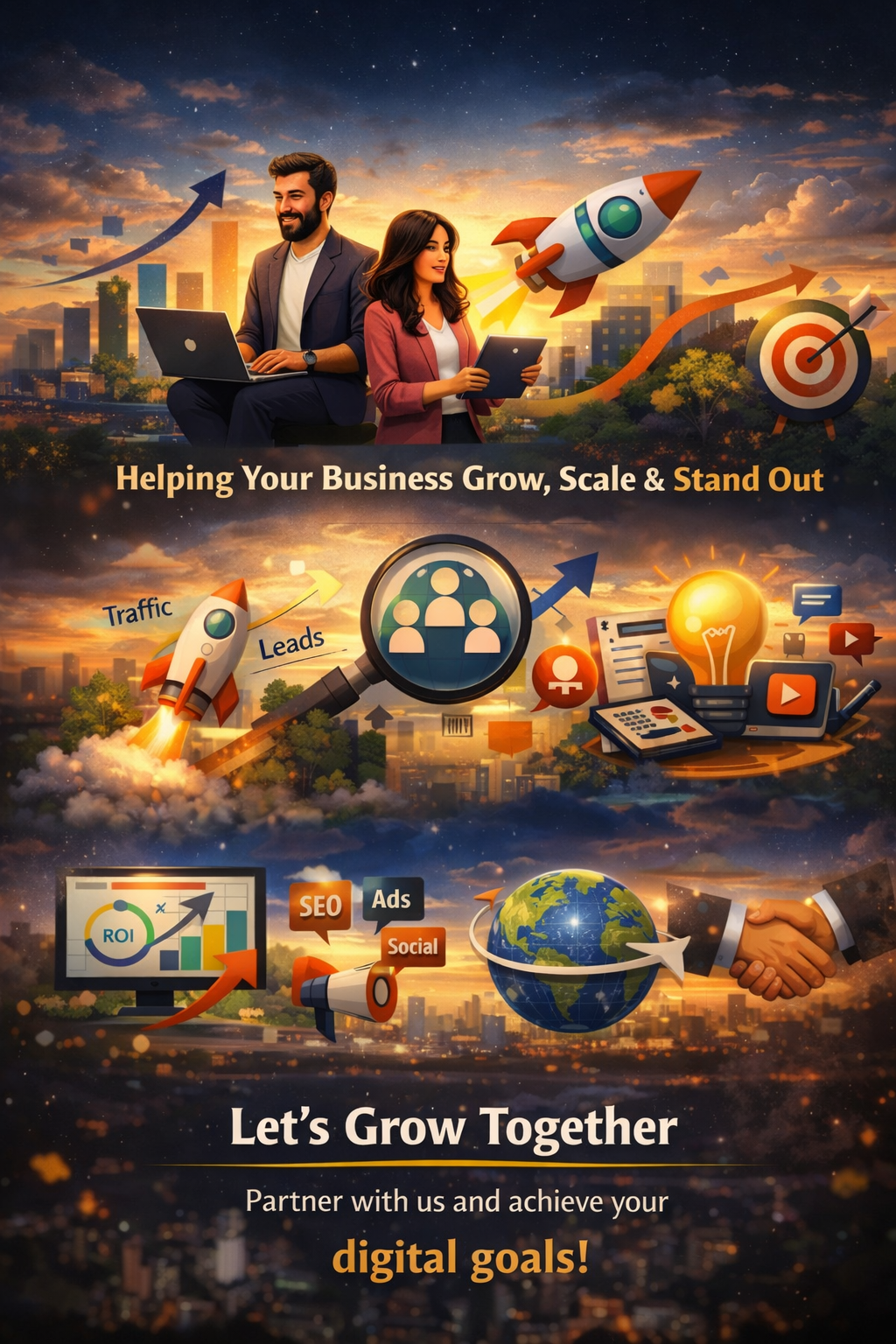
Digital marketing has made it possible for small businesses to compete with big brands. Whether it’s:
Posting on social media
Optimizing your website for Google (SEO)
Sending email campaigns
Creating valuable content
You don’t need millions to make an impact.
In fact, with the right strategy, digital marketing often gives better results at a lower cost compared to traditional methods.
Making Decisions with Real Data
In 2026, guessing doesn’t work—data does.
Digital marketing gives you clear insights into:
What your customers like
Which campaigns are working
Where you’re losing potential buyers
This means you can adjust quickly, improve performance, and make smarter decisions every time.
No more “hope this works.” Now it’s “we know this works.”
Building Real Connections with Your Audience
People don’t just buy products anymore—they connect with brands.
Through social media, blogs, and videos, businesses can:
Share their story
Show their expertise
Build trust with their audience
When customers feel connected, they don’t just buy once—they come back again and again.
That’s how strong brands are built.
The Growth of AI and Automation
Technology is rapidly transforming our approach.
By 2026, companies will rely on AI for various applications such as:
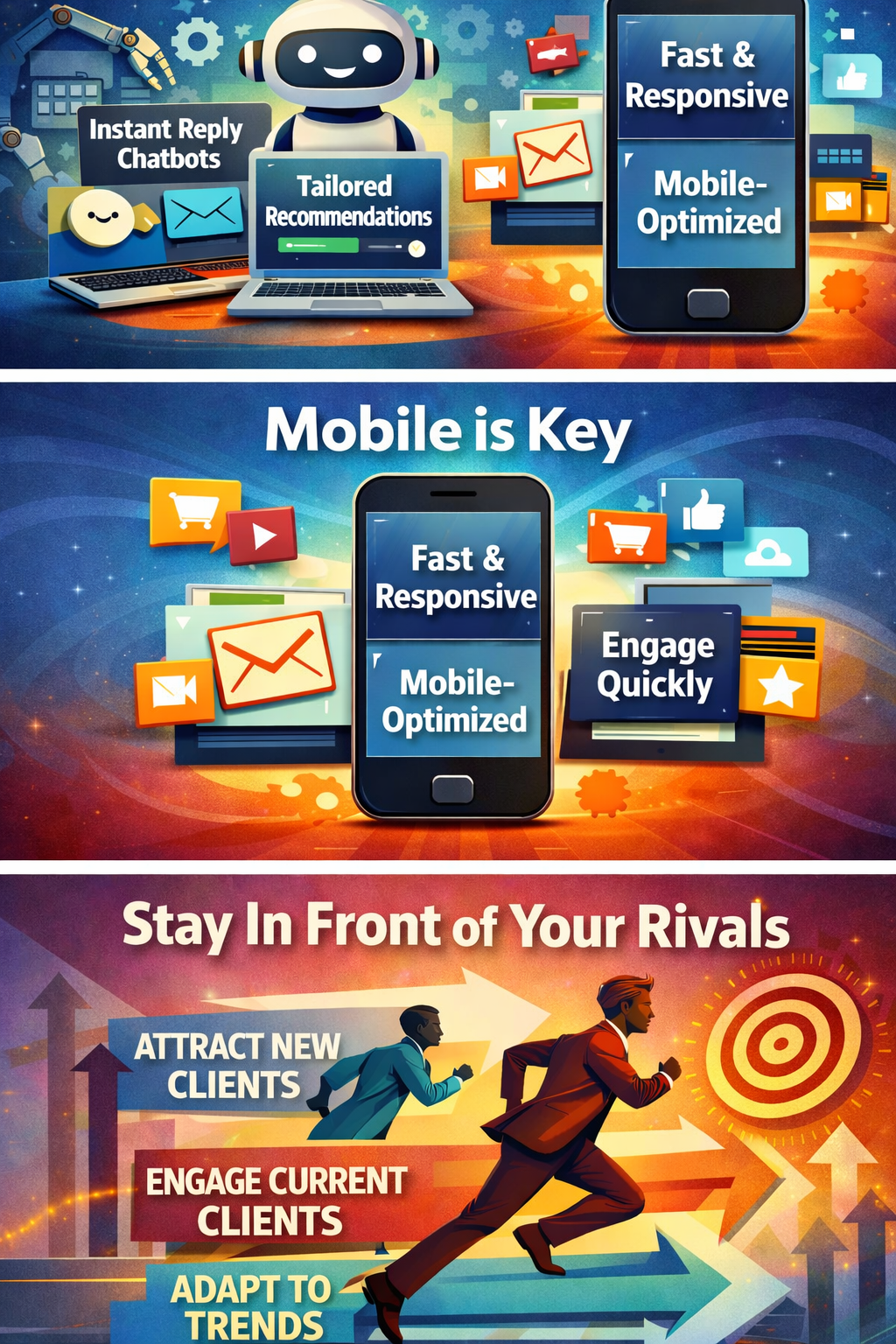
Instant reply chatbots
Tailored recommendations
Automated email marketing campaigns
Automation tools also assist in managing:
Posts on social media
Interactions with customers
Follow-ups on leads
The outcome? Reduced manual effort, higher efficiency, and a superior customer experience.
Mobile is Key
Let’s acknowledge it—most individuals are attached to their smartphones.
That’s why having a mobile-optimized website or advertisement is no longer optional.
If your content doesn’t appear attractive or load quickly on a phone, users will exit in mere seconds.
A seamless mobile experience translates to increased engagement and higher conversions.
Stay In Front of Your Rivals
The market is saturated. Each enterprise is vying for attention.
Digital marketing provides you with the advantage to:
Draw in new clients
Maintain engagement with current clients
Quickly adapt to changes in trends
Companies that embrace digital transformations are the ones that remain ahead.
Concluding Remarks
Digital marketing in 2026 is not just important—it is vital.
It enables businesses to reach the appropriate audience, establish valuable connections, and thrive in a rapidly evolving landscape. As technology progresses, its significance will only amplify.
Ultimately, businesses that invest in digital marketing are not merely keeping pace—they are pioneering the future.
Elevate your brand with tailored strategies today.
Connect
Grow
+91 79052 47417
© 2025. All rights reserved.